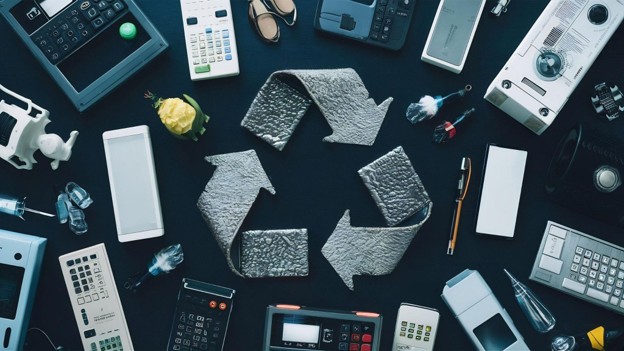
Walk into almost any electronics store today, and the message is clear: newer is better. Andy Wang of Arrow Recovery Group believes that while technological innovation has transformed how people live and work, far less attention is given to what happens when perfectly functional devices are discarded simply because a newer version becomes available.
The answer has implications that extend far beyond individual purchasing decisions.
As upgrade cycles continue to shorten, society is generating unprecedented volumes of electronic waste. At the same time, valuable materials, energy, and resources are being consumed at an increasingly rapid pace. Understanding the hidden costs of disposable technology requires looking beyond the excitement of new products and examining the full lifecycle of the devices people use every day.
How Technology Became Disposable
Not long ago, many consumers expected electronics to last for years.
Computers were used until they could no longer function. Televisions remained in homes for a decade or more. Mobile phones were upgraded only when necessary rather than on a predictable schedule.
Today, expectations have changed dramatically.
Many devices are replaced long before they reach the end of their useful life. Businesses often refresh technology fleets every few years. Consumers upgrade smartphones regularly despite their existing devices continuing to perform adequately for everyday tasks.
Several factors have contributed to this shift:
- Rapid product innovation
- Marketing that emphasizes newer features
- Shorter perceived product lifecycles
- Software compatibility concerns
- Consumer demand for convenience
- Changing workplace technology standards
The result is a culture where replacement has become routine.
The Environmental Cost Few People See
When a device is discarded, most people only see the product itself.
What is less visible are the resources required to manufacture that device in the first place.
Modern electronics contain materials sourced from around the world. Their production requires mining, transportation, manufacturing, packaging, and distribution. Each stage consumes energy and natural resources.
When devices are replaced prematurely, those embedded resources are effectively retired as well.
This creates a significant sustainability challenge because electronic products often contain:
- Precious metals
- Rare earth elements
- Copper
- Aluminum
- Plastics
- Glass
- Critical minerals
Many of these materials remain valuable long after a device is no longer being used.
The faster products move through replacement cycles, the greater the pressure placed on global resource systems.
Why Convenience Can Create Hidden Waste
The modern technology marketplace is built around convenience.
Consumers can order devices online, transfer data quickly, and begin using new products within hours. This ease of replacement often makes upgrades feel harmless.
However, convenience can sometimes obscure the broader consequences of disposal.
Many individuals have old electronics stored in:
- Closets
- Basements
- Garages
- Office storage rooms
- Spare drawers
These devices frequently remain unused for years before eventually entering the waste stream.
In other cases, electronics are discarded without consideration for material recovery, refurbishment opportunities, or responsible recycling practices.
The challenge is not simply how much technology people purchase. It is how little attention is often given to what happens afterward.
The Business Side of Upgrade Culture
The issue extends beyond consumers.
Organizations also face decisions regarding technology replacement cycles.
Businesses routinely evaluate:
- Computers
- Servers
- Mobile devices
- Networking equipment
- Data storage systems
While upgrades can improve security, performance, and operational efficiency, they also create questions about asset management and sustainability.
The most forward-thinking organizations increasingly recognize that technology procurement and technology retirement should be viewed as connected processes.
A purchasing strategy without an end-of-life strategy often creates unnecessary waste and missed recovery opportunities.
This is one reason responsible electronics management is becoming an increasingly important business consideration.
Rethinking Value Beyond the First User
One of the most common misconceptions about electronics is that their value disappears once the original owner no longer needs them.
In reality, many devices continue to contain significant value.
That value may exist in several forms:
- Reusable components
- Recoverable materials
- Refurbishment opportunities
- Secondary market demand
- Resource recovery potential
The concept of a circular economy encourages organizations and consumers to think differently about ownership.
Instead of viewing products as disposable, the goal is to maximize their usefulness across multiple stages of their lifecycle.
This approach reduces waste while supporting more efficient resource utilization.
The Growing Importance of Responsible Recovery
As technology adoption continues to expand globally, responsible recovery practices are becoming increasingly important.
The electronics people discard today represent a growing source of recoverable materials that can help reduce dependence on newly extracted resources.
Proper recovery efforts help:
- Reduce landfill waste
- Recover valuable materials
- Support resource conservation
- Improve environmental outcomes
- Strengthen circular economy initiatives
These benefits extend beyond environmental responsibility. They also contribute to long-term resource sustainability.
In many ways, discarded electronics represent one of the largest untapped resource streams in modern society.
Moving Beyond a Disposable Mindset
Technology will continue evolving.
New devices will enter the market. Businesses will upgrade systems. Consumers will embrace innovations that improve their daily lives.
The goal is not to stop progress.
The goal is to rethink how progress is managed.
A more sustainable future may depend less on how quickly society adopts new technology and more on how responsibly it manages existing technology.
This requires moving beyond a disposable mindset and recognizing that products continue to hold value even after their initial use has ended.
A Different Way to Think About Innovation
Innovation is often associated with creating something new.
Yet some of the most important innovations may involve how society manages what it already has.
As electronic devices become increasingly central to modern life, the decisions surrounding their use, reuse, recovery, and disposal will play a larger role in shaping environmental outcomes.
This challenge often represents an important opportunity. By encouraging more thoughtful approaches to technology lifecycles, organizations and individuals can help reduce waste, recover valuable resources, and support a more sustainable future.
In an age where replacing technology has become second nature, perhaps the more important question is not what comes next, but what happens to everything left behind.